Lead Volume vs. Lead Quality: What Matters More for Charlotte Businesses?
Why Not All Leads Are the Same
If you run a business in Charlotte, you have probably heard that getting more leads is the key to growth. It sounds simple: more people who show interest must mean more customers. But anyone who has spent time on sales knows that not every lead is worth the same effort. Some prospects are ready to buy; others are just browsing. Some fit your ideal customer profile; others do not. This is the difference between lead volume and lead quality, and understanding it can change how you invest your time and money.
Lead volume is the raw count of inquiries, form fills, calls, or email sign-ups your business receives in a given period. Lead quality measures how likely those inquiries are to become paying, long-term customers. Both matter, but the balance between them depends on your business model, your sales process, and your goals. For a local plumber in Charlotte, a high volume of low-quality leads can waste hours on the phone. For an e-commerce brand, a moderate number of high-quality leads might produce a better return on ad spend.
What Drives Lead Volume
Lead volume comes from the top of your funnel. It is the number you see when you run a Facebook ad, a Google search campaign, or a direct mail drop. Tools like lead tracking software can help you monitor how many people land on your landing page, fill out a form, or click a call button. The attraction of high volume is obvious: more people in the pipeline means more chances to sell. But volume alone tells you nothing about the person behind the click.
There are several ways to boost lead volume. You can increase your ad budget, broaden your targeting, or create offers that appeal to a wide audience. A free ebook, a discount code, or a contest entry can pull in hundreds of leads. Yet a large portion of those leads may never open your follow-up email. They might have entered their details just for the freebie, with no intention of buying. That is why tracking lead volume without also looking at quality can give a misleading picture of your marketing health.
What Defines Lead Quality
Lead quality is harder to measure but far more valuable. A high-quality lead is someone who has a real need for your product or service, the budget to pay for it, and the authority to make a purchase decision. In B2B contexts, this often means a decision-maker at a company that fits your ideal customer profile. In local service businesses, it might be a homeowner with an urgent problem and a willingness to pay for a solution.

Several factors contribute to lead quality. The lead source matters: a referral from a past client usually converts better than a cold web form. The timing of the inquiry also matters: someone who fills out a form at 2 a.m. may be more serious than someone who clicks an ad during a lunch break. The information the lead provides, such as detailed answers on a contact form, can signal intent. Lead tracking software that captures these signals helps you score and prioritize leads so your sales team focuses on the best opportunities.
Why the Balance Matters
Focusing only on volume can lead to wasted effort. If your sales team spends hours chasing unqualified leads, they have less time for the prospects that are ready to buy. On the other hand, focusing only on quality can shrink your pipeline to the point where you miss out on volume that eventually converts. A business that generates ten high-quality leads a month may close five deals. A business that generates a hundred low-quality leads may close only two. But if that second business can improve its lead qualification process, the higher volume becomes an advantage.
The right balance depends on your industry and your sales cycle. For a high-ticket item like a roofing replacement, one quality lead might be worth thousands of dollars. For a low-cost subscription service, volume might be the main driver of growth. The key is to measure both and adjust your marketing accordingly. Use reporting dashboards that show not just how many leads come in, but how many move through your pipeline and convert.
How to Measure Lead Quality
You cannot improve what you do not measure. Start by tracking conversion rates at each stage of your funnel. A lead that fills out a form, receives a call, and books an appointment has a clear path. If you see many leads entering but few progressing, the issue may be lead quality. Look at your customer lifetime value (CLV) and compare it across different lead sources. A lead from a paid search ad may have a lower CLV than a lead from an organic blog post. That insight helps you allocate budget to the channels that bring the best customers.
Attribution is another piece of the puzzle. Which marketing touchpoints are producing leads that actually close? A lead might first find you through a social media post, then visit your site via a search ad, and finally call after reading a review. Understanding attribution helps you invest more in the channels that drive conversions, not just clicks. Lead tracking software can automate this by linking each lead to its original source and showing you the full customer journey.
Practical Steps to Improve Both
Improving lead volume and lead quality is not an either-or choice. With the right approach, you can increase both. Start by refining your targeting. If you run ads, use audience segments that match your best customers. For local businesses in Charlotte, that might mean targeting by zip code, income level, or even the type of property. A plumbing company that targets commercial property managers will get different leads than one targeting homeowners.
Next, optimize your landing pages and forms. A long form with many fields can reduce volume but improve quality because only serious prospects fill it out. A short form increases volume but may attract less committed leads. Test both approaches and see which yields a better balance for your business. Use lead scoring to automatically rank leads based on their behavior, such as pages visited, time on site, and form answers.
Web Rank Digital offers a customer acceleration platform that helps businesses capture, convert, and scale their customer base. Their tools include market intelligence for identifying opportunities and automated funnels to nurture leads. For a Charlotte business looking to balance volume and quality, a platform like this can provide the data needed to make informed decisions.
Common Pitfalls to Avoid
One common mistake is treating all leads equally. A lead who downloaded a whitepaper two months ago is not the same as a lead who requested a quote today. Another pitfall is relying on a single metric, like cost per lead, without looking at conversion rates. A cheap lead that never converts is more expensive than a costly lead that closes. Also, beware of vanity metrics. A high number of form fills looks good on a report, but if those fills come from people outside your service area, they mean little.
Finally, do not neglect the follow-up. Even a high-quality lead can go cold if you wait too long to respond. Speed to lead is a quality factor in itself. Businesses that respond within five minutes close more deals than those that wait an hour. Lead tracking software can automate immediate responses and route leads to the right salesperson.
Putting It All Together
Lead volume gives you the raw material; lead quality turns that material into revenue. The two are not opposites. A healthy business monitors both and adjusts its strategy based on real data. For a company in Charlotte, understanding the difference means you can spend your marketing budget on channels that bring in the right people, not just the most people. It also means your sales team can focus on conversations that matter, instead of sorting through tire-kickers.
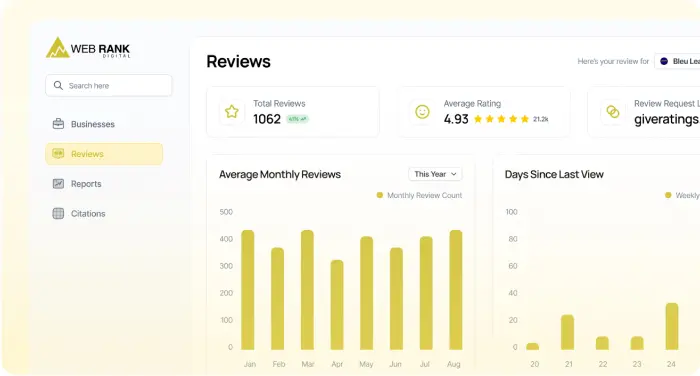
If you are evaluating lead tracking software, look for features like source attribution, lead scoring, and conversion tracking. These tools help you see past the surface numbers and understand which leads are worth your time. Web Rank Digital provides software for customer acquisition that includes these capabilities, and businesses nationwide use it to improve their funnel performance.
For more information, you can contact Web Rank Digital at 401 S Graham St, Charlotte, NC 28202, or call +1 877-726-5871.
Web Rank Digital is also on LinkedIn.
Ends · DEMANDCOMPASS